
Digital Marketing: The Ultimate Guide to Growing Your Business Online in 2026
In today’s fast-paced digital world, businesses need more than just a website to succeed. They need a strong digital marketing strategy that helps them reach the right audience, generate leads, and increase sales. Whether you’re a small business owner, startup founder, or marketing professional, understanding digital marketing is essential for long-term growth.
What is Digital Marketing?
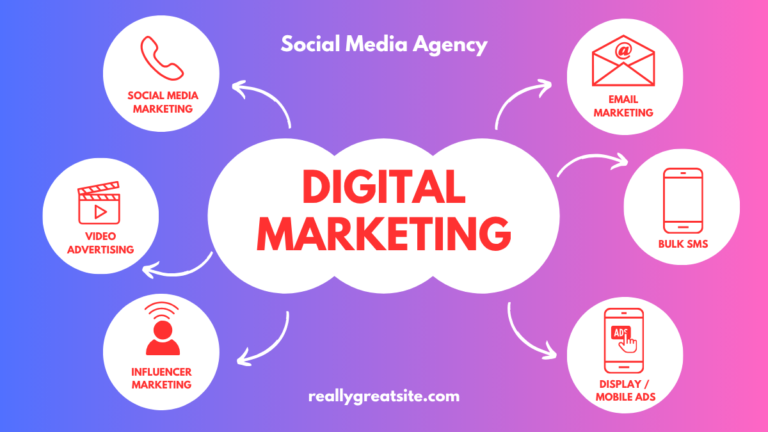
Digital marketing refers to the promotion of products or services through online channels such as search engines, social media platforms, email, websites, and mobile applications. Unlike traditional marketing, digital marketing allows businesses to target specific audiences, track performance in real time, and optimize campaigns for better results.
As internet usage continues to rise globally, digital marketing has become one of the most effective ways to build brand awareness and drive business growth.
Why Digital Marketing is Important
The modern consumer spends a significant amount of time online. From searching for products on search engines to engaging with brands on social media, customers interact with businesses through multiple digital touchpoints.
Here are some key benefits of digital marketing:
- Increased online visibility
- Cost-effective marketing solutions
- Better audience targeting
- Higher conversion rates
- Improved customer engagement
- Real-time performance tracking
- Enhanced brand credibility
Businesses that invest in digital marketing can stay ahead of competitors and create stronger relationships with their customers.
Key Components of Digital Marketing
1. Search Engine Optimization (SEO)
SEO is the process of optimizing a website to rank higher on search engine results pages. A well-executed SEO strategy helps businesses attract organic traffic and improve online visibility.
Important SEO practices include:
- Keyword research
- On-page optimization
- Technical SEO
- Quality content creation
- Link building
- Mobile optimization
By targeting relevant keywords, businesses can attract users who are actively searching for their products or services.
2. Content Marketing
Content marketing focuses on creating valuable and informative content to attract and engage a target audience. Examples include blog posts, articles, videos, infographics, and case studies.
High-quality content helps businesses:
- Build authority
- Improve SEO rankings
- Generate leads
- Increase customer trust
- Drive website traffic
Consistently publishing relevant content is one of the most effective digital marketing strategies.
3. Social Media Marketing
Social media platforms provide businesses with opportunities to connect directly with their audience. Platforms like Facebook, Instagram, LinkedIn, X, and TikTok allow brands to share content, run advertisements, and engage with followers.
Benefits of social media marketing include:
- Increased brand awareness
- Improved customer interaction
- Higher website traffic
- Better audience insights
- Enhanced customer loyalty
A strong social media presence can significantly boost a brand’s online reputation.
4. Pay-Per-Click (PPC) Advertising
PPC advertising allows businesses to display ads on search engines and social media platforms. Advertisers only pay when users click on their ads.
Advantages of PPC include:
- Immediate visibility
- Highly targeted campaigns
- Measurable results
- Flexible budgeting
- Increased lead generation
When combined with SEO, PPC can deliver powerful marketing results.
5. Email Marketing
Email marketing remains one of the highest-performing digital marketing channels. Businesses use email campaigns to nurture leads, promote products, and maintain customer relationships.
Effective email marketing strategies include:
- Personalized messaging
- Audience segmentation
- Automated email sequences
- Promotional campaigns
- Newsletter marketing
A well-designed email campaign can significantly improve customer retention and conversions.
Latest Digital Marketing Trends in 2026

Digital marketing continues to evolve as technology advances. Businesses should stay updated with the latest trends to remain competitive.
Some important trends include:
Artificial Intelligence (AI)
AI-powered tools help marketers automate tasks, analyze data, and create personalized customer experiences. AI is transforming content creation, customer service, and advertising.
Voice Search Optimization
With the increasing popularity of voice assistants, businesses must optimize their content for voice search queries to improve visibility.
Video Marketing
Video content continues to dominate digital platforms. Short-form videos, live streams, and educational content help brands engage audiences more effectively.
Personalization
Consumers expect personalized experiences. Businesses that tailor content, recommendations, and communications based on user behavior can achieve higher engagement rates.
Data-Driven Marketing
Analytics and performance tracking allow marketers to make informed decisions and improve campaign effectiveness.
How to Build a Successful Digital Marketing Strategy
To achieve sustainable growth, businesses should follow these steps:
- Define clear marketing goals.
- Identify the target audience.
- Conduct keyword research.
- Create high-quality content.
- Optimize for search engines.
- Utilize social media platforms.
- Invest in paid advertising.
- Track and analyze performance metrics.
- Continuously optimize campaigns.
A strategic approach ensures better results and maximizes marketing return on investment.
Conclusion
Digital marketing is no longer optional for businesses seeking growth in the online marketplace. By leveraging SEO, content marketing, social media marketing, PPC advertising, and email marketing, companies can increase visibility, attract qualified leads, and drive revenue. As technology continues to evolve, staying updated with emerging digital marketing trends will be essential for maintaining a competitive edge and achieving long-term success.
For more content check-out www.bhagyashrinareshjain.com