

Fashion and Technology: How Innovation is Transforming the Future of Style in 2026
The fashion industry has always evolved with changing consumer preferences, but in recent years, technology has become one of the biggest drivers of innovation. From artificial intelligence and smart fabrics to virtual fitting rooms and sustainable manufacturing, the intersection of fashion and technology is reshaping how clothing is designed, produced, marketed, and worn.
As consumers demand more personalized, convenient, and sustainable experiences, fashion brands are increasingly investing in advanced technologies to stay competitive. The fusion of fashion and technology is no longer a trend—it is the future of the industry.
The Growing Relationship Between Fashion and Technology
Fashion and technology may seem like two different worlds, but they now work hand in hand to create better products and experiences. Technology is helping designers streamline creative processes, improve production efficiency, and meet the evolving needs of modern consumers.
The rise of digital transformation has enabled fashion companies to embrace innovation while enhancing customer satisfaction. Whether through e-commerce platforms, wearable devices, or AI-driven recommendations, technology has become a crucial part of the fashion ecosystem.
Artificial Intelligence in Fashion
Artificial Intelligence (AI) is revolutionizing the fashion industry by helping brands analyze consumer behavior, predict trends, and personalize shopping experiences.
AI-powered tools can:
- Forecast fashion trends
- Recommend products based on customer preferences
- Optimize inventory management
- Improve customer service through chatbots
- Enhance visual search capabilities
Fashion retailers use AI to understand purchasing patterns and deliver more relevant products to consumers, resulting in improved customer engagement and higher sales.
Smart Clothing and Wearable Technology
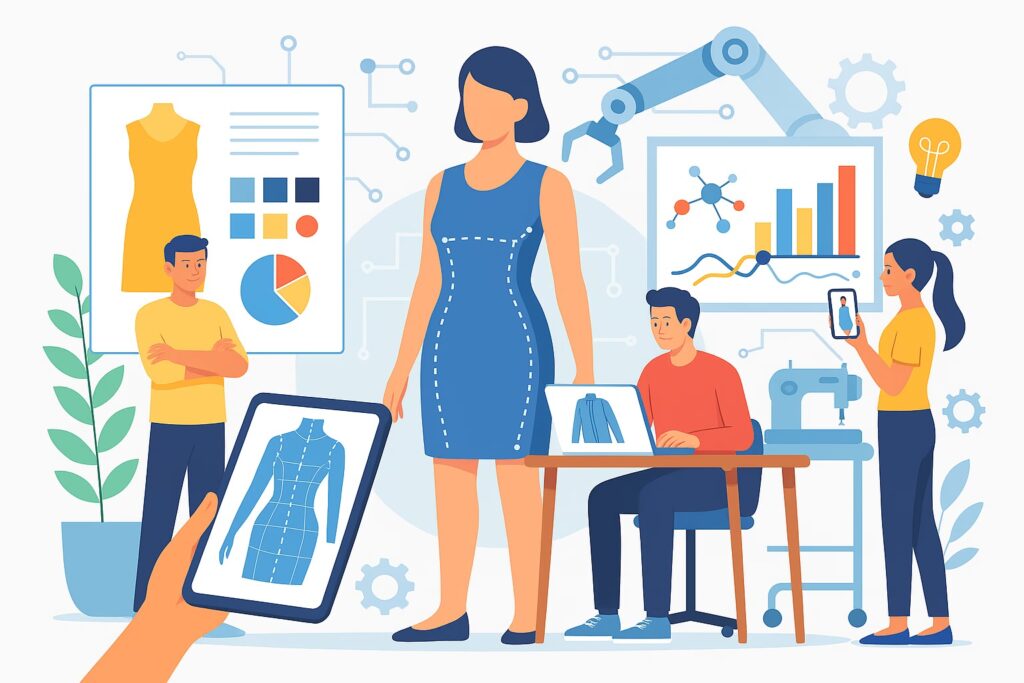
One of the most exciting developments in fashion technology is the rise of smart clothing and wearable technology. These innovative products combine fashion with functionality, allowing users to monitor health metrics, track fitness activities, and interact with connected devices.
Examples of wearable technology include:
- Smartwatches
- Fitness trackers
- Smart jackets
- Connected footwear
- Health-monitoring garments
As wearable technology continues to advance, consumers can expect clothing that offers both style and practical benefits.
Virtual Reality and Augmented Reality in Fashion
Virtual Reality (VR) and Augmented Reality (AR) are transforming the shopping experience by bridging the gap between physical and digital retail environments.
AR-powered virtual fitting rooms allow customers to try on clothes digitally before making a purchase. This technology helps reduce uncertainty, improve customer confidence, and minimize product returns.
Meanwhile, VR enables fashion brands to create immersive experiences such as virtual fashion shows, digital showrooms, and interactive brand experiences.
These innovations are changing how consumers interact with fashion brands and make purchasing decisions.
Sustainable Fashion Through Technology
Sustainability has become a major focus in the fashion industry. Technology is helping brands reduce waste, lower carbon emissions, and adopt more environmentally friendly production methods.
Innovations supporting sustainable fashion include:
- 3D printing technology
- Digital product design
- Eco-friendly materials
- Supply chain transparency tools
- Automated manufacturing systems
By leveraging technology, fashion companies can create more sustainable products while reducing their environmental impact.
E-Commerce and Digital Fashion
The growth of e-commerce has completely transformed the fashion retail landscape. Consumers can now browse, compare, and purchase products from anywhere in the world using smartphones and computers.
Modern fashion e-commerce platforms utilize:
- AI-powered recommendations
- Personalized shopping experiences
- Mobile commerce solutions
- Secure digital payments
- Customer behavior analytics
In addition, digital fashion is emerging as a new category where consumers purchase virtual clothing and accessories for use in digital environments, gaming platforms, and social media content.
3D Design and Digital Prototyping
Traditional fashion design often requires multiple physical samples before final production. Today, advanced 3D design software allows designers to create and modify garments digitally.
Benefits of digital prototyping include:
- Faster product development
- Reduced production costs
- Lower material waste
- Improved design accuracy
- Enhanced collaboration between teams
These technologies help brands bring products to market more efficiently while supporting sustainability goals.
The Role of Big Data in Fashion
Big Data is becoming increasingly valuable in fashion marketing and retail operations. By collecting and analyzing customer data, brands can make smarter business decisions.
Big Data helps fashion companies:
- Identify emerging trends
- Understand customer preferences
- Optimize pricing strategies
- Improve inventory planning
- Enhance marketing campaigns
Data-driven insights enable brands to remain competitive in a rapidly changing marketplace.
Future Trends in Fashion Technology
The future of fashion technology looks promising as innovation continues to accelerate. Several trends are expected to shape the next generation of fashion experiences:
AI-Driven Personalization
Customers will receive highly personalized recommendations based on their preferences, behavior, and purchase history.
Smart Fabrics
Advanced textiles capable of regulating temperature, monitoring health, and adapting to environmental conditions will become more common.
Blockchain Technology
Blockchain will improve transparency and authenticity across fashion supply chains.
Digital Fashion Experiences
Virtual clothing, digital fashion shows, and immersive online shopping experiences will continue to grow.
Sustainable Innovation
Technology-driven sustainability initiatives will become a priority for fashion brands worldwide.
Conclusion
Fashion and technology are transforming the industry in remarkable ways. From artificial intelligence and wearable technology to virtual reality and sustainable manufacturing, innovation is creating smarter, more efficient, and customer-focused fashion experiences. As technology continues to evolve, fashion brands that embrace digital transformation will be better positioned to meet consumer expectations, drive growth, and lead the future of style. The combination of creativity and technology is shaping a new era where fashion is more personalized, sustainable, and connected than ever before.
For more content check-out www.bhagyashrinareshjain.com